CROUSE-HINDS AP-72 Airport Lighting Catalog Illustrated Booklet
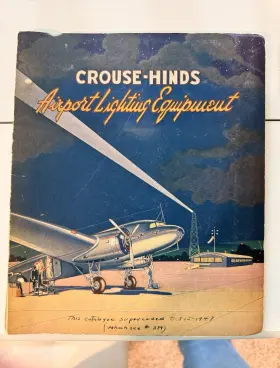
( Brand: Crouse-hinds ), ( Origin: United States ), ( Publication Year: 1941 ), ( Type: Catalog ), ( Format: Booklet ), ( Language: English ), ( Features: Illustrated ), ( Manufacturer Part Number: AP-72 ), ( Publisher: Crouse-hinds Company ), ( Topic: Airport, Lighting, Aviation )
Review CROUSE HINDS Airport Lighting Equipment Catalog Illustrated Booklet
Crouse-Hinds AP-72 Airport Lighting Catalog 1941 - An Illustrated Booklet
The Crouse-Hinds AP-72 Airport Lighting Catalog 1941 is an informative and visually engaging illustrated booklet, published by the renowned electrical equipment manufacturer, Crouse-Hinds. This catalog was produced at a pivotal moment in aviation history, as the world was gearing up for the challenges and opportunities of the post-World War II era.
The catalog is meticulously designed to showcase the extensive range of airport lighting products offered by Crouse-Hinds at that time. Each product is illustrated in detail, providing readers with a clear understanding of their specifications, applications, and benefits. The high-quality images, complemented by concise and precise descriptions, make it easy for engineers, airport authorities, and other industry professionals to make informed purchasing decisions.
The catalog features various types of airport lighting systems, including approach lighting systems, runway lighting systems, taxiway lighting systems, and obstruction lighting systems. These lighting systems are crucial for ensuring the safety and efficiency of airport operations, particularly during nighttime hours and in adverse weather conditions.
Approach lighting systems, as depicted in the catalog, include both threshold and approach lights. Threshold lights mark the beginning of the runway, while approach lights provide guidance to pilots as they approach the runway. These lights are essential for ensuring a safe and precise landing.
Runway lighting systems, another key focus of the catalog, consist of centerline lights, edge lights, and threshold lights. These lights help pilots maintain proper alignment and positioning on the runway, reducing the risk of runway excursions.
Taxiway lighting systems, illustrated in the catalog, include taxiway edge lights and taxiway centerline lights. These lights guide pilots and ground personnel safely around the airport, ensuring that they can navigate the complex airport environment with ease.
Obstruction lighting systems, as shown in the catalog, are designed to illuminate tall structures, such as buildings and towers, that could pose a hazard to aircraft. These lighting systems help prevent collisions and ensure the safety of both aircraft and people on the ground.
The Crouse-Hinds AP-72 Airport Lighting Catalog 1941 is more than just a product catalog; it is a snapshot of a bygone era, offering a fascinating glimpse into the history of airport lighting and the role that Crouse-Hinds played in shaping this vital aspect of aviation infrastructure. With its detailed illustrations and comprehensive product descriptions, this catalog remains an invaluable resource for aviation historians, airport planners, and electrical engineers.
Crouse-Hinds AP-72 Airport Lighting Catalog (1941)
Introduction:The Crouse-Hinds AP-72 Airport Lighting Catalog (1941) is an illustrated booklet showcasing various airport lighting systems produced by Crouse-Hinds at the time. It provides valuable historical insights into the evolution of airport lighting technology during the early aviation era. In this analysis, we will discuss the potential advantages and disadvantages of purchasing this catalog as a collector, historian, or aviation enthusiast.
Pros:1. Historical Significance: This catalog represents a crucial period in airport lighting technology and offers a glimpse into the past when innovation and progress were at the forefront of the aviation industry.
2. Rare Find: Given its age, the catalog is a rare and unique collectible item that adds to the historical significance of aviation memorabilia.
3. Visual Appeal: The catalog contains numerous illustrations and diagrams, making it an aesthetically pleasing addition to any library, museum, or aviation enthusiast's collection.
4. Educational Value: The catalog provides valuable information about the design, functionality, and installation of various airport lighting systems, which can be useful for researchers, historians, or even modern airport maintenance personnel.
Cons:1. Condition: The catalog being over 80 years old, it may be in poor condition and require restoration or preservation efforts to maintain its quality.
2. Availability: Due to its age and rarity, the catalog might be challenging to find in physical form, necessitating extensive online research or contacting specialized collectors or libraries.
3. Format: As a printed catalog, it may not be as easily accessible or portable as digital formats, making it less convenient for researchers or scholars who prefer a more modern format.
Conclusion:In conclusion, the Crouse-Hinds AP-72 Airport Lighting Catalog (1941) is a valuable collectible item that offers historical significance, visual appeal, and educational value to aviation enthusiasts, historians, or collectors. However, its age, availability, and condition may pose challenges to potential buyers. Despite these cons, the catalog's unique historical context and rare status make it an essential addition to any aviation-related collection.
Recommendation:If you are an aviation enthusiast, collector, or historian, and you come across a copy of the Crouse-Hinds AP-72 Airport Lighting Catalog (1941), it is highly recommended to add it to your collection, as it represents an important piece of aviation history. However, ensure that you invest in proper preservation efforts to maintain its condition and longevity.
Details:
Crouse-Hinds AP-72 Airport Lighting Equipment Catalog 1941 Illustrated Booklet.
part #: ap72 price
- $45.00
specifications catalogcrave:
- brand: Crouse-hinds
- origin: United States
- publication year: 1941
- type: Catalog
- format: Booklet
- language: English
- features: Illustrated
- manufacturer part number: AP-72
- publisher: Crouse-hinds Company
- topic: Airport, Lighting, Aviation
shipping catalogcrave:
- carrier: USPS
- cost: $0.00
- class: Standard
- type: Calculated
- service: USPS Ground Advantage
- transit: 5-10 Days
seller catalogcrave:
- city: Milton, Wisconsin
- # reviews: 90
- rating: 100.0%
payments catalogcrave:
- credit card: Discover
- wallet: Apple-pay
- money order
- other
offer catalogcrave:
- started: May 27, 2026
- best offers: True
- options: Ship-to-home
- sold: 0
- availability: In Stock
- quantity: 1
returns catalogcrave:
- policy: No Returns
general catalogcrave:
- condition: Good
- Books Magazines > Catalogs

1 offer $45.00 USD
- Good. Offer #1 priced at $45.00 + $0.00 delivery = $45.00* total. Crouse-Hinds Airport Lighting Equipment Catalog 1941 Illustrated Booklet.FREE SHIPPING