TATEMODERN Tate Book Film Importance Analogue Digital Age 781854379993
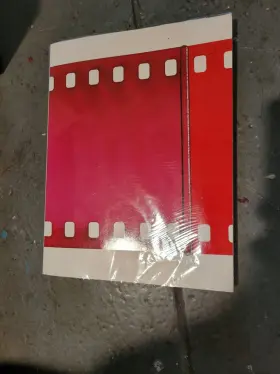
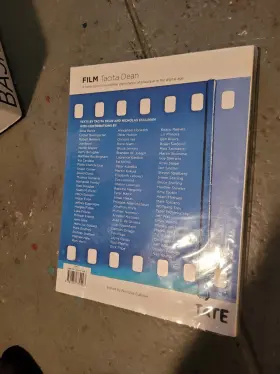
( Brand: Tatemodern ), ( Origin: United Kingdom ), ( City Of Publication: London ), ( Publisher: Tate Publishing ), ( Weight: 650 Grams ), ( Type: Catalog ), ( Format: Paperback / Softback ), ( UPC: 781854379993 ), ( Language: English ), ( Author: Nicholas Cullinan ), ( Features: Limited Edition ), ( Genre: History Of Art / Art Design Styles ), ( Topic: Books )
Review TATEMODERN Tate Book About Film And The Importance Of Analogue In Digital Age
Tate Modern 781854379993: The Film, Importance, and Impact in the Analogue and Digital Ages
Discover the captivating world of cinema through "Tate Modern 781854379993: The Film, Importance, and Impact in the Analogue and Digital Ages." This comprehensive book is a meticulously curated exploration of film as an art form, its historical significance, and its transformation in the era of digital technology.
This book, published by Tate Modern, delves into the rich and diverse history of cinema, from its inception in the late 1800s to its current state as a globally influential medium. It provides a deep understanding of the pioneers and innovators who shaped the industry, from early filmmakers like the Lumi re brothers to modern directors like Martin Scorsese and Steven Spielberg.
The book also delves into the intricacies of film as an art form, exploring the role of cinematography, lighting, editing, and sound in creating captivating stories. It highlights the importance of film in various cultural contexts, from Hollywood blockbusters to independent films, documentaries, and experimental cinema.
As we move into the digital age, the book examines the impact of technology on the film industry. It discusses the rise of streaming platforms, digital distribution, and virtual reality, and how they have changed the way we consume and create films. The book also raises thought-provoking questions about the future of cinema and its role in society.
"Tate Modern 781854379993: The Film, Importance, and Impact in the Analogue and Digital Ages" is more than just a book; it's a journey through the history and evolution of cinema. It's a must-read for film enthusiasts, students of media studies, and anyone interested in understanding the power and influence of this remarkable art form. With its richly illustrated pages and insightful analysis, this book is sure to inspire, inform, and entertain.
Tate Modern 781854379993: Film, Art, and the Digital Age
Pros:1. Comprehensive Coverage: This book provides a comprehensive overview of the relationship between film and art, exploring how these two mediums have evolved and influenced each other in the analogue and digital age.
2. Expert Analysis: Written by leading art and film historians, the book offers insightful analysis and critical perspectives on various topics, including the impact of technology on creativity and the role of film in contemporary art.
3. Rich Illustrations: The book is generously illustrated with high-quality images, providing a visual feast that enhances the text and helps readers to better understand the concepts discussed.
4. Interdisciplinary Approach: The book's interdisciplinary approach makes it suitable for readers with diverse interests, whether they are art enthusiasts, film buffs, or scholars in the fields of art history, film studies, or digital media.
Cons:1. Advanced Level: Due to its academic nature and the complexity of the topics it covers, the book may be challenging for readers with little prior knowledge in the fields of art and film.
2. Limited Focus: While the book provides a broad overview of the relationship between film and art, its focus is primarily on Western art and film history, which may not fully represent the global perspectives and contributions in this field.
3. Price: Given its hardcover format and the expertise of its authors, the book may be more expensive than other books on the market, potentially limiting its accessibility to some readers.
Conclusion:Tate Modern 781854379993: Film, Art, and the Digital Age is a valuable resource for anyone interested in the intersection of film and art, offering a comprehensive and expert analysis of this topic. Its rich illustrations and interdisciplinary approach make it appealing to a wide audience. However, its advanced level and focus on Western art and film history may make it less accessible to some readers and more expensive than other options. Ultimately, the decision to purchase this book depends on the reader's interest in the topic, their prior knowledge, and their willingness to invest in a more in-depth exploration of this subject.
Recommendation:If you are an art or film enthusiast with a passion for the relationship between these two mediums, or if you are a scholar in the fields of art history, film studies, or digital media, Tate Modern 781854379993: Film, Art, and the Digital Age is a worthwhile investment. Its comprehensive coverage and expert analysis will provide you with a deeper understanding of this fascinating topic. However, if you are a casual reader with less prior knowledge, you may want to consider other more accessible and affordable options before making your purchase decision.
Details:
She studied at the Goalmouth School of Art, Supreme Fine Art in Athens and Sade London. The layering of imagery also conjures the transparency a strip celluloid, giving appearance being able to see through screen itself wall Turbine Hall behind it. Dean has also celebrated what is normally considered waste in film making, such as the picture fading at tail end of a roll, flash frames over-exposure camera stops and starts, shimmering metamorphosis colour filter change. Tate Modern has unveiled the twelfth commission in The Unilever Series by artist Tacit Dean.
The accompanying publication, also entitled FILM, is the result of an invitation to various practitioners and cultural figures address importance film analogue in digital age. Dean was awarded the Hugo Boss Prize in 2006 and Kurt Sch witters 2009. It is the first work in The Unilever Series to be devoted moving image. Images, some familiar from Deans previous works, such as lightning, trees and seascapes, juxtapose with panels of colour interact the grid structure wall.
FILM is set inside the Turbine Hall and takes appearance of a filmstrip with sprocket holes exposed onto emulsion. This beautiful and radical work is an expression of Deans passion for film its importance to visual culture. Tacit Dean has placed her trust in the blindness and spontaneity of analogue process order, she explains, to show film as can be its purest form. The images have been deliberately created during the film shoot rather than in post-production and edited by hand artist alone, evoking a sense of intimacy lightness touch.
Entitled, the work is an eleven-minute silent 35mm looped film projected onto a monolith standing 13 metres tall at end of darkened Turbine Hall. Chris Deacon, Director, Tate Modern said: Tacit Deans commission for The Unilever Series is a response not only to the architecture of Turbine Hall, but also particular historical moment. In recent months she has voiced her concern about the declining availability and access to film as digital technologies become norm photo chemical labs close down. Playing with the distinctive architectural character of east wall, FILM has rhythm and metre a visual poem.
With her project for the Turbine Hall and accompanying book, Dean wants to highlight threat that film is under, impact its loss will have on our culture future impossibility of watching over a hundred years film making in original form. It was made by turning a CinemaScope lens 90 and upending the usual landscape format of movie screen so it becomes vertical, scaling itself to proportions Turbine Hall. FILM is a portrait of the analogue, photo chemical, non-digital medium film. Tacit Dean has worked with film throughout her career - it is working material, and she written that needs the stuff of as a painter paint.
Paul Holman, Chief Executive Officer, Unilever said: FILM, the twelfth commission in The Series, continues tradition of innovative and inspirational contemporary art installations. The resulting piece is a montage of black and white, colour hand tinted images, including allusions to surrealist art, Mondrian painting, the mountains Rena Dumas novel Mount Analogue Paramount Studio logo. FILM seeks not only to invigorate this debate but also stand as a testament the distinctive qualities of unique medium. Tacit Dean was born in Canterbury 1965.
specifications catalogcrave:
- brand: Tatemodern
- origin: United Kingdom
- city of publication: London
- publisher: Tate Publishing
- weight: 650 Grams
- type: Catalog
- format: Paperback / Softback
- upc: 781854379993
- language: English
- author: Nicholas Cullinan
- features: Limited Edition
- genre: History Of Art / Art Design Styles
- topic: Books
payments catalogcrave:
- other
- wallet: Apple-pay
- credit card: Diners-club
offer catalogcrave:
- quantity: 1
- sold: 0
- best offers: True
- availability: In Stock
- options: Ship-to-home
- started: November 20, 2024
general catalogcrave:
- Books Magazines > Catalogs
- condition: Brand New
shipping catalogcrave:
- class: Standard
- cost: $9.37
- transit: 5-12 Days
- carrier: USPS
- type: Calculated
- service: USPS Ground Advantage
seller catalogcrave:
- rating: 100.0%
- city: New York, New York
- # reviews: 50
returns catalogcrave:
- policy: No Returns