PORTOLA INSTITUTE 394-70459-2 Earth Catalog Counterculture
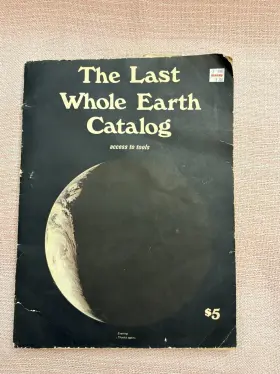
( Brand: Portola Institute ), ( Publication Year: 1971 ), ( Type: Catalog ), ( Format: Booklet ), ( Language: English ), ( Manufacturer Part Number: 394-70459-2 ), ( Features: Illustrated ), ( Topic: Tools )
Review PORTOLA INSTITUTE The Last Whole Earth Catalog Final Issue Vintage Counterculture
Portola Institute Earth Catalog 1971 (394-70459-2) - A Counterculture Manifesto of Self-Reliance and Sustainable Living
The Portola Institute Earth Catalog 1971, identified by the item number 394-70459-2, is an iconic and groundbreaking publication that embodies the spirit of the counterculture movement during the late 1960s and early 1970s. This catalog, produced by the Portola Institute, served as a comprehensive resource for individuals seeking to live sustainably and self-sufficiently.
The Earth Catalog is not just a simple catalog but a multifaceted compendium of ideas, instructions, and inspiration for those willing to break free from conventional societal norms and embrace a more earthy, self-reliant lifestyle. It encompasses a diverse range of topics, from architecture and building techniques to agriculture, tools, and renewable energy sources.
The catalog is divided into various sections, each dedicated to a specific theme. For instance, the "Tools and Machines" section features a curated list of essential tools for building and maintaining a homestead, with an emphasis on hand tools and simple, affordable machinery. The "Food and Cooking" section covers various aspects of sustainable agriculture, from raising livestock to growing fruits and vegetables, as well as recipes for preparing and preserving fresh, wholesome meals.
Moreover, the Earth Catalog encourages readers to explore alternative methods for powering their homes and communities, such as solar energy, wind power, and hydroelectric systems. It also delves into various aspects of natural building techniques, including the use of straw bales, cob, and earthbag construction.
Throughout the catalog, there is a consistent theme of self-sufficiency, environmental consciousness, and a deep connection to nature. The Earth Catalog 1971 is more than just a collection of practical information; it's a manifesto for those seeking to live in harmony with the natural world and redefine their relationship with modern society.
In summary, the Portola Institute Earth Catalog 1971 (394-70459-2) is an essential and influential document for anyone interested in sustainable living, self-reliance, and the counterculture movement of the late 1960s and early 1970s. It offers a wealth of knowledge, inspiration, and practical resources for those seeking to live a more earthy, self-sufficient lifestyle and reconnect with nature.
An Analysis of the Portola Institute's 1971 Counterculture Earth Catalog (ISBN: 394-70459-2)
Introduction:The Portola Institute's 1971 Earth Catalog, published by the counterculture movement, is a seminal work that documented and promoted self-sufficiency, alternative living, and environmental consciousness. This analysis aims to provide an objective assessment of the catalog's merits and drawbacks.
Pros:1. Comprehensive: The catalog offers a wide range of information on various topics related to alternative living, including farming, building, energy, education, and more.
2. Inspiring: The catalog's beautiful photographs and poetic language have inspired generations of people to pursue simpler, more sustainable lifestyles.
3. Practical: The catalog includes detailed instructions and resources for implementing the ideas presented, making it a valuable resource for those seeking to live more self-sufficiently.
4. Visionary: The catalog's emphasis on environmental consciousness was ahead of its time and has influenced modern movements such as the green movement and the slow food movement.
Cons:1. Limited: The catalog primarily focuses on the experiences and perspectives of the counterculture movement, which may not be representative of all communities or lifestyles.
2. Outdated: Some of the information in the catalog, particularly regarding technology and infrastructure, is no longer relevant or accurate.
3. Elitist: The catalog's emphasis on self-sufficiency and alternative living may be seen as elitist, as it assumes that readers have the resources and ability to implement these ideas.
4. Idealistic: The catalog's romanticized portrayal of rural living and self-sufficiency may not accurately reflect the challenges and realities of these lifestyles.
Conclusion:The Portola Institute's 1971 Earth Catalog remains an important and influential work that continues to inspire people to pursue more sustainable and self-sufficient lifestyles. However, it is important to recognize its limitations and to approach its ideas with a critical and informed perspective.
Recommendation:For those interested in the ideas presented in the Earth Catalog, it is recommended to read the work with a critical and informed perspective, recognizing its historical context and limitations. Additionally, it is recommended to seek out additional resources and perspectives to gain a more comprehensive understanding of the topics covered in the catalog. Finally, it is important to remember that the ideas presented in the catalog are not a panacea, and that implementing them requires a significant amount of time, resources, and effort.
Details:
The Last Whole Earth Catalog 1971 Final Issue Edited by Stewart Brand Original $5 cover price Vintage 1971 edition of the iconic Catalog, a cornerstone publication counterculture movement and famously referenced Steve Jobs. Please review photos carefully for condition details. Heavy wear to spine splitting at top and bottom Edge corner chipping Cover creasing Pages appear intact readable No loose pages noted This is a solid reading/reference copy. Condition: Acceptable vintage condition.
part #: 394704592 price
- $70.00
specifications catalogcrave:
- brand: Portola Institute
- publication year: 1971
- type: Catalog
- format: Booklet
- language: English
- manufacturer part number: 394-70459-2
- features: Illustrated
- topic: Tools
general catalogcrave:
- condition: Acceptable
- Books Magazines > Catalogs
seller catalogcrave:
- rating: 100.0%
- # reviews: 4
- city: Lubbock, Texas
shipping catalogcrave:
- service: USPS Ground Advantage
- carrier: USPS
- cost: $5.52
- transit: 4-10 Days
- class: Standard
- type: Calculated
payments catalogcrave:
- other
- credit card: Diners-club
- wallet: Paypal
returns catalogcrave:
- policy: No Returns
offer catalogcrave:
- options: Ship-to-home
- availability: In Stock
- quantity: 1
- best offers: True
- sold: 0
- started: March 2, 2026

1 offer $70.00 USD
- Acceptable. Offer #1 priced at $70.00 + $10.15 delivery = $80.15* total. Please refer to pictures for condition C-1 It features a combination of illustration, news, and history genres, making it a visually engaging read for those interested in a variety of topics.+$10.15 shipping