ALVAR AALTO 1898-1976 Museum Finnish Exhibition Catalog 2ND
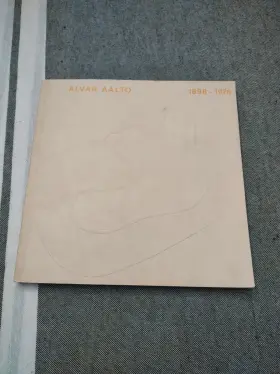


( Brand: Alvar Aalto ), ( Model: ALVAR AALTO 1898-1976 ), ( Origin: Finland ), ( Publication Year: 1978 ), ( Type: Catalog ), ( Format: Booklet ), ( Language: English ), ( Personalized: No ), ( Features: Illustrated ), ( Publisher: The Museum Of Finnish Architecture ), ( Topic: Art Exhibitions ), ( Manufacturer Part Number: 1898-1976 )
Review ALVAR AALTO Museum Finnish Architecture Exhibition Catalog 2nd Ed
Alvar Aalto: Works and Buildings 1916-1976 (Second Edition)
This catalog, published by the Alvar Aalto Museum in Finland in 1978, serves as an extensive and meticulously curated documentation of the works and buildings designed by the renowned Finnish architect Alvar Aalto (1898-1976) between 1916 and 1976. This second edition of the catalog is a revised and updated version of the original publication, featuring new photographs, plans, and architectural drawings.
This comprehensive volume offers a rich and detailed exploration of Aalto's illustrious career, which spanned over six decades. The catalog includes descriptions and images of his most iconic works, such as the Paimio Sanatorium, the Villa M estate, and the Sibbea Factory. Additionally, it covers lesser-known projects, as well as his furniture, textile, and glass designs.
Each project is presented with annotated floor plans, sections, and elevations, accompanied by captions that provide context and historical background. Each page is enhanced by exquisite color photographs and detailed line drawings, demonstrating the beauty, elegance, and functionality that characterize Alvar Aalto's design philosophy.
Furthermore, this catalog features insightful essays and commentaries by renowned architectural historians, critics, and scholars, shedding light on the significance of Aalto's contributions to the world of architecture. They explore themes such as his innovative use of materials, his ability to integrate architecture and nature, and his respect for the needs and desires of the users of his buildings.
Arranged chronologically, the catalog allows readers to trace the development of Alvar Aalto's design language and aesthetic throughout his career. The catalog's clear and engaging layout, coupled with its high-quality images and thought-provoking texts, make it an essential resource for architects, designers, students, and enthusiasts who wish to deepen their understanding of Alvar Aalto's groundbreaking body of work.
In summary, the Alvar Aalto: Works and Buildings 1916-1976 catalog is a definitive and visually stunning documentation of the works of this revered architect. It offers a comprehensive, detailed, and engaging exploration of his most significant buildings, as well as his furniture, textiles, and glass designs, making it an indispensable addition to any architectural library.
Alvar Aalto Museum Exhibition Catalog (1978, 2nd edition)
Pros:1.Historical Importance: This catalog is a valuable resource for architecture and design enthusiasts, scholars, and historians. It offers insights into Alvar Aalto's life and work, featuring detailed information about his architectural projects, furnishings, and graphic designs.
2.High-Quality Production: The catalog boasts high-quality visuals, including photographs and illustrations, which showcase Aalto's designs in great detail. The comprehensive exploration of his career is supported by detailed text about his work and influence.
3.Well-Researched: The second edition of this catalog includes extensive updates based on new research and development, ensuring that the information is both current and accurate.
4.Rare Find: As a limited edition publication from the Alvar Aalto Museum, it is a collector's item, and its acquisition could add to a private or public collection's architectural and design holdings.
Cons:1.Limited Availability: Given its age and limited availability, the catalog may be difficult and costly to obtain, especially for those without direct access to Alvar Aalto Museum or extensive collector networks.
2.Printed Publication: As a printed catalog, it lacks the easy accessibility that digital resources and online databases deliver. Although durable and appealing in design, it calls for manual handling and storage.
3.Cost: Given its historical significance and rarity, the catalog is priced accordingly, which may not be affordable for every individual or institution.
4.Outdated Information for Some: Some of the content may appear outdated to readers seeking the most recent information on Alvar Aalto's work and influence, as the catalog primarily focuses on his career up to the late '70s.
Conclusion:The Alvar Aalto Museum's 1978 Exhibition Catalog (2nd edition) represents a crucial resource for those interested in the life and work of Alvar Aalto. Its valuable insights, high-quality production, and comprehensive exploration make it an important addition to any design or architectural collection. However, the limited availability, cost, and outdatedness of the information may pose challenges for potential buyers. Weighing the pros and cons carefully, we would still recommend this catalog for those seeking in-depth knowledge about Alvar Aalto's designs and their historical context.
Details:
Alvar Aalto 1898-1976 Museum Finnish Architecture 1978 Exhibition Catalog 2nd Edition.
part #: 18981976 prices
- $27.00-$220.00
specifications catalogcrave:
- brand: Alvar Aalto
- model#: ALVAR AALTO 1898-1976
- origin: Finland
- publication year: 1978
- type: Catalog
- format: Booklet
- language: English
- personalized: No
- features: Illustrated
- publisher: The Museum Of Finnish Architecture
- topic: Art Exhibitions
- manufacturer part number: 1898-1976
offer catalogcrave:
- options: Ship-to-home
- availability: In Stock
- started: January 6, 2025
- quantity: 1
- sold: 0
seller catalogcrave:
- # reviews: 762
- city: Greer, South Carolina
- rating: 100.0%
returns catalogcrave:
- policy: No Returns
payments catalogcrave:
- other
- wallet: Apple-pay
- credit card: Diners-club
shipping catalogcrave:
- class: Economy
- cost: $5.67
- carrier: USPS
- type: Fixed
- service: USPS Media Mail
- transit: 4-9 Days
general catalogcrave:
- Books Magazines > Catalogs
- condition: Very Good

5 offers $27.00–$220.00 USD
- Offer #1 priced at $27.00 + $4.99 delivery = $31.99* total. Subject: Architecture. Author: Ruusuvuori, Aarno; Editor.+$4.99 shipping
- Ottime condizioni. Offer #2 priced at $89.08 + $34.82 delivery = $123.90* total. CONDIZIONI:Ottimo (Fine).+$34.82 shipping
- Unspecified. Offer #3 priced at $220.00 + $16.00 delivery = $236.00* total. 1970). Aalto, Alvar.+$16.00 shipping
- Good. Offer #4 priced at $150.95 + $0.00 delivery = $150.95* total. Features essays by Yoshinobu Ashihara, Takashi Niimi, Juhani Pallasmaa, and Kenneth Frampton with illustrations, chronology, and bibliography. Topic: Alvar Aalto, Finnish Architecture, Modern Architecture, 20th Century Architecture, Humanism, Exhibition Catalog.FREE SHIPPING
- Offer #5 priced at $75.00 + $8.97 delivery = $83.97* total. After early neoclassical buildings, Alvar Aalto turned to ideas based on Functionalism, subsequently moving toward more organic structures, with brick and wood replacing plaster and steel. 10.25 x 11.75 hardcover book with 240 pages and 159 color and 251 black and white illustrations.+$8.97 shipping