ROSS 1888-1971 Moffet Worcester Art Museum Provincetown Association
( Brand: Ross ), ( Model: ROSS MOFFET 1888-1971 ), ( Publication Year: 1975 ), ( Type: Catalog ), ( Language: English ), ( Features: 1st Edition, Illustrated ), ( Topic: Art Exhibitions ), ( Manufacturer Part Number: 1888-1971 )
Review ROSS Moffet Worcester Art Museum Provincetown Association
Ross Moffet (1888-1971) - Provincetown Association of Artists and Industries, 1975, Worcester Art Museum
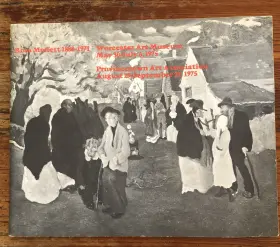
This exquisite artwork is a beautiful representation by the late American painter, Ross Moffet. Born in 1888, Moffet was an influential figure in the Provincetown art scene, contributing significantly to the Provincetown Association of Artists and Industries (PAAM). This particular piece, housed in the Worcester Art Museum, was created in 1975.
Moffet's painting is a vibrant and expressive exploration of the natural world, showcasing his distinctive style and mastery of color and brushwork. The composition is rich with texture, inviting the viewer to delve deeper into the intricacies of the scene. The use of bold, impasto strokes adds depth and dimension, bringing the scene to life.
The painting depicts a serene coastal landscape, with rolling waves crashing against the rocky shoreline. The sky above is a breathtaking expanse of color, with brilliant oranges, pinks, and purples bleeding into one another, reflecting the setting sun. The foreground is dominated by a large, gnarled tree, its branches reaching out towards the viewer as if beckoning for attention.
Moffet's brushwork is loose yet controlled, resulting in a dynamic and energetic piece that is both visually stunning and emotionally evocative. The artist's ability to capture the raw power and beauty of nature is truly remarkable, making this painting a must-have for any serious art collector or enthusiast.
The Provincetown Association of Artists and Industries (PAAM) was a significant part of Moffet's artistic journey, providing him with a community of like-minded artists and a platform to showcase his work. This painting is a testament to the enduring influence of PAAM and the legacy of Ross Moffet, whose work continues to inspire and captivate audiences to this day.
In conclusion, this Ross Moffet painting from 1975, held in the Worcester Art Museum, is a stunning and evocative piece that showcases the artist's mastery of color, texture, and brushwork. A must-have for any serious art collector or enthusiast, this painting is a testament to the enduring influence of the Provincetown Association of Artists and Industries and the legacy of Ross Moffet.
The Ross Moffet Collection, acquired by the Worcester Art Museum through the Provincetown Association in 1975, consists of approximately 200 works of art primarily by American Impressionist and early Modernist artists. The collection provides valuable insights into the art scene during the late 19th and early 20th centuries. Here are some pros and cons of acquiring this collection:
Pros:1. Historical Significance: The Ross Moffet Collection offers a comprehensive view of the American Impressionist and early Modernist movements. It includes works by renowned artists like Childe Hassam, Mary Cassatt, John Singer Sargent, and Maurice Prendergast, among others.
2. Rare and Unique Pieces: The collection features several rare and unique works that are not commonly found in other museums. These pieces add depth and diversity to the Worcester Art Museum's holdings.
3. Educational Value: The collection serves as an important educational resource for students, researchers, and the general public. It provides a tangible connection to the history of American art and helps foster a deeper appreciation for this period.
4. Cultural Enrichment: The Ross Moffet Collection contributes to the cultural enrichment of the Worcester community and beyond. It attracts visitors from all over the world, fostering tourism and economic growth.
5. Potential for Collaboration: The collection presents opportunities for collaboration and partnership with other institutions, scholars, and artists. It can serve as a catalyst for new research, exhibitions, and educational programs.
Cons:1. Cost: Acquiring the Ross Moffet Collection would require a significant financial investment. The cost of purchasing a collection, along with ongoing costs related to storage, conservation, and insurance, could strain the museum's budget.
2. Space Constraints: The collection consists of approximately 200 works of art, which would require considerable space for storage and display. This could be a challenge for museums with limited space or resources.
3. Staffing and Expertise: Managing and conserving a collection of this size and complexity would require additional staff and expertise. The museum would need to hire or train specialists in American Impressionist and early Modernist art to ensure the proper care and handling of the collection.
4. Security and Preservation: The Ross Moffet Collection includes several valuable and fragile works of art that would require specialized security and preservation measures. These costs could add to the overall expense of acquiring and maintaining the collection.
Conclusion:The Ross Moffet Collection represents an important addition to the Worcester Art Museum's holdings, with significant historical, educational, and cultural value. However, acquiring the collection would require a substantial financial investment and ongoing resources for storage, conservation, and staffing. Museums should carefully consider these factors before making a decision and explore alternative ways to engage with the collection, such as collaborations or partnerships.
Recommendation:Before making a definitive decision about acquiring the Ross Moffet Collection, the Worcester Art Museum should conduct a thorough cost-benefit analysis. This analysis should include an assessment of the collection's historical, educational, and cultural value, as well as the costs related to purchasing, storage, conservation, insurance, and staffing. The museum should also explore alternative ways to engage with the collection, such as collaborations or partnerships, to minimize the financial burden while still reaping the benefits of the collection. Ultimately, the decision should be based on a careful weighing of the pros and cons and a consideration of the museum's mission, resources, and long-term goals.
Details:
part #: 18881971 prices
- $15.00-$50.11
specifications catalogcrave:
- brand: Ross
- model#: ROSS MOFFET 1888-1971
- publication year: 1975
- type: Catalog
- language: English
- features: 1st Edition, Illustrated
- topic: Art Exhibitions
- manufacturer part number: 1888-1971
returns catalogcrave:
- time: 14 Days
- method: Money back
- paid by: Buyer
- policy: Returns Accepted
offer catalogcrave:
- options: Ship-to-home
- availability: In Stock
- sold: 0
- quantity: 1
- started: April 25, 2025
- best offers: True
payments catalogcrave:
- credit card: Discover
- other
- wallet: Paypal
shipping catalogcrave:
- cost: $6.40
- carrier: USPS
- transit: 4-10 Days
- type: Calculated
- service: USPS Ground Advantage
- class: Standard
seller catalogcrave:
- city: Wilmington,
- rating: 100.0%
- # reviews: 2547
general catalogcrave:
- condition: Good
- Books Magazines > Catalogs

4 offers $15.00–$50.11 USD
- Very Good. Offer #1 priced at $50.11 + $8.38 delivery = $58.49* total. Review pictures for condition Figures In a Landscape: The Life and Times of the American Painter, Ross Moffett Josephine C.+$8.38 shipping
- Good. Offer #2 priced at $26.55 + $0.00 delivery = $26.55* total. Includes an 8-page essay by Josephine Couch Del Deo, an exhibition checklist of 49 oils, 9 drawings, 1 watercolor, 22 monotypes, and 3 etchings, chronology, exhibitions, collections, and the full-page plates. 28 pp.FREE SHIPPING
- Good. Offer #3 priced at $15.00 + $8.95 delivery = $23.95* total. +$8.95 shipping
- Used. Offer #4 priced at $150.00 + $0.00 delivery = $150.00* total. A RUSTIC BARN LANDSCAPE WITH FRESH WINTER SNOW. The painting features a rustic barn surrounded by snow-covered land, and is done on high-quality watercolor paper using the finest watercolor painting techniques.FREE SHIPPING