1860-1920 Art Olaf Brauner Exhibition Catalog M. 1869-1947
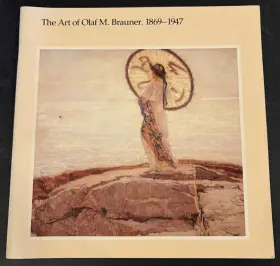
( Brand: M-m ), ( Publication Year: 1968 ), ( Type: Catalog ), ( Language: Bulgarian ), ( Topic: Art Exhibitions ), ( Manufacturer Part Number: 1860-1920 )
Review M Art Of Olaf M. Brauner Exhibition Catalog
"Olaf Brauner: A Retrospective (1869-1947)"
This exquisite exhibition catalog is a must-have for art enthusiasts and scholars, providing an in-depth exploration of the life and work of the renowned German painter, Olaf Brauner. Spanning the years 1869 to 1947, this comprehensive catalog offers a fascinating look into the development of Brauner's artistic style, from his early impressionistic works to his later expressionist masterpieces.
The catalog begins with an informative introductory essay that delves into Brauner's biography, his influences, and his contributions to the art world. This essay sets the stage for the following sections, each of which is dedicated to a specific period in Brauner's artistic career.
The first section showcases Brauner's early works, which are characterized by their soft, impressionistic style. These pieces, which were created during the late 19th and early 20th centuries, display a masterful use of light and color. The catalog includes high-quality images of these works, along with detailed descriptions that provide valuable context and insight into Brauner's artistic intentions.
The second section explores Brauner's expressionist period, which began in the 1910s. These works are marked by their bold, dynamic brushstrokes and their exploration of emotional depth and intensity. The catalog offers a captivating analysis of these pieces, which helped to define Brauner's unique artistic voice and establish his reputation as a leading expressionist painter.
The third and final section of the catalog features a selection of Brauner's later works, which reflect his continued exploration of emotional depth and his experimentation with new techniques and mediums. This section also includes a bibliography and an index of exhibitions, making it an essential resource for anyone interested in Brauner's work.
Throughout the catalog, the images of Brauner's works are reproduced in stunning detail, allowing viewers to experience the rich textures, vibrant colors, and emotive power of his art firsthand. The catalog also includes a timeline of Brauner's life and career, as well as a glossary of art terms, making it an accessible and informative resource for both seasoned art collectors and newcomers to the world of fine art.
In summary, "Olaf Brauner: A Retrospective (1869-1947)" is a beautifully designed and meticulously researched catalog that offers a captivating exploration of the life and work of this influential German painter. With its high-quality images, informative essays, and comprehensive resources, this catalog is an essential addition to any art library or collection.
An Analysis of Buying an Olaf Brauner (1869-1947) Exhibition Catalog (1860-1920)
I. IntroductionOlaf Brauner was a German painter, graphic artist, and draftsman, active during the late 19th and early 20th centuries. A catalog from an exhibition of his works between the years 1860 and 1920 can provide valuable insights into his artistic development and oeuvre. In this analysis, we will discuss the potential pros and cons of purchasing such a catalog.
II. Pros1. Documentation of Artistic Development: The catalog may contain images and information about Olaf Brauner's works from various stages of his career, offering a comprehensive overview of his artistic evolution.
2. Expert Analysis and Scholarship: The catalog may include essays, articles, or commentary from art historians and scholars, providing in-depth analysis and context for Brauner's works.
3. Rare and Hard-to-Find Information: Exhibition catalogs, especially older ones, may contain information that is not widely available or readily accessible online, making them valuable resources for researchers and collectors.
4. Visual Reference and Inspiration: The catalog can serve as a visual reference for Brauner's works and provide inspiration for artists, designers, and other creatives.
5. Collectible Value: Old exhibition catalogs can become collectible items, potentially increasing in value over time.
III. Cons1. Monetary Cost: The catalog may be expensive, especially if it is a limited edition or rare publication.
2. Physical Storage and Preservation: The catalog, as a physical object, requires storage space and may be susceptible to damage or wear over time.
3. Limited Access: The information in the catalog may not be easily accessible or searchable, making it less convenient for quick research compared to digital resources.
4. Language Barrier: If the catalog is published in a language other than your native language, there may be a barrier to understanding the content fully.
IV. ConclusionIn conclusion, an Olaf Brauner exhibition catalog from the years 1860-1920 can offer significant benefits, including valuable insights into the artist's development and oeuvre, expert analysis, and rare information. However, it may also present challenges, such as monetary cost, physical storage concerns, and language barriers. Ultimately, the decision to purchase the catalog should be based on your research needs, budget, and personal preferences. If you are a dedicated researcher or collector, the benefits may outweigh the costs. If you are just starting your exploration of Olaf Brauner's works, you may want to consider borrowing the catalog from a library or research institution first.
Details:
Brauner 1869-1947 art exhibition catalog, na23sh 24 160 5. Art of Olaf M.
part #: 18601920 prices
- $14.99-$37.99
specifications catalogcrave:
- brand: M-m
- publication year: 1968
- type: Catalog
- language: Bulgarian
- topic: Art Exhibitions
- manufacturer part number: 1860-1920
offer catalogcrave:
- started: December 2, 2025
- availability: In Stock
- sold: 0
- options: Ship-to-home
- quantity: 1
- best offers: True
payments catalogcrave:
- credit card: Visa
- wallet: Paypal
- other
seller catalogcrave:
- # reviews: 4832
- rating: 99.9%
- city: New York, New York
general catalogcrave:
- Books Magazines > Catalogs
- condition: Good
returns catalogcrave:
- policy: No Returns
shipping catalogcrave:
- carrier: USPS
- service: USPS Media Mail
- transit: 4-11 Days
- class: Economy
- type: Fixed
- cost: $0.00
M-m 1860-1920 Is Similar To:
- Sothebys 7478 Sotheby S Important Sporting Art Paintings New York June 1 2000 Catalog (32.9% similar) Total height 10 5/8. Packaging is done with protective plastic for no moisture damage and ample amount of packing paper around item to prevent...(June 5th, 2024)
- Robert 1768-1821 Kate Gilmore Body Of Work 2013 Moca Cleveland Art Exhibition Catalogue (37.7% similar) Kate Gilmore: body of work 2013 mica Cleveland art exhibition catalogue, NA27 24 20...(June 7th, 2024)
- Heritage 7369 Comics And Comic Art Auction Catalog 7369 April 4-7 2024 Dallas (28.6% similar) Shipping: USA buyers will receive free economy shipping via USPS media mail...(June 8th, 2024)
- Davis 7370 Heritage Auctions Catalog Art Of Disneyland Archive April 5-8 2024 (24.7% similar) Part #: Davis 7370 for sale...(June 10th, 2024)
- Painting Helen-1202 Christies Auction Catalog Modern Art February 27 2003 New York (26.8% similar) Paintings, sculpture and works on paper. Softcover, 98 pp. Illustrated offer catalog with 129 lots...(June 10th, 2024)
- Christies 5997 Art Catalog Important English Furniture London 9 July 1998 (20% similar) Chairs, tables, mirrors, etc, free shipping!, etc...(June 11th, 2024)
- Parke-bernet Works-1964 Parke-bernet Catalog Americana And Art Reference Works-1964 With Prices Realized (20.9% similar) Parker-Benet catalog: Americana art reference WORKS-1964- with prices realized...(June 12th, 2024)
- Christies 7895 East Catalog 1996 English Furniture Decorative Art Morey Palmer (16.6% similar) Christie's east catalog 1996 English furniture decorative art More Palmer 7895...(June 18th, 2024)
- American Art Association Collection-1925 Catalog George Lawton And Charles Farber (24.3% similar) American art catalog: George Lawton Charles Ferber COLLECTION-1925- priced...(June 26th, 2024)
- Christies 9066 20th Twentieth Century Art Auction Catalog 19 Nov 1998 New York (30.3% similar) Investment potential: offer catalogs from Christie's can become collectible over time, and this one offers a glimpse into specific market moment. Experience art history: immerse yourself in the artistic landscape of late 20TH century and see how these works were valued during this significant...(July 11th, 2024)
- Heritage Auctions 2924 Comics And Comic Art Auction Catalog 2023 2924 Lot Of 8 (30.3% similar) Included is a screen bid Hollywood memorabilia catalog. Up for sale is a lot of six 2021 heritage offer catalogs. Shipped media mail...(July 20th, 2024)

5 offers $14.99–$37.99 USD
- Brand New. Offer #1 priced at $14.99 + $6.72 delivery = $21.71* total. Art book Beautifully illustrated edition of: Impressionism Ingo F.+$6.72 shipping
- Very Good. Offer #2 priced at $37.99 + $6.71 delivery = $44.70* total. It's loaded with lots of beautiful and stunning artwork from the brushwork revolution era. The hardcover bookImpressionist Art from the Bibliotheca Universalis series is published by TASCHEN and edited by Ingo F.+$6.71 shipping
- Offer #3 priced at $25.20 + $0.00 delivery = $25.20* total. FREE SHIPPING
- Very Good. Offer #4 priced at $25.07 + $0.00 delivery = $25.07* total. You are purchasing a Very Good copy of 'Impressionism (Impressionist Art )'.FREE SHIPPING
- Good. Offer #5 priced at $18.00 + $8.22 delivery = $26.22* total. Ideal for art enthusiasts and historians, this two-volume set offers a detailed look at the history and development of Impressionism, making it a valuable addition to any art library." PLEASE SEE PHOTOS FOR EXACT CONDITION "Impressionist Art: (2 Volumes) by Peter H Feist is a comprehensive exploration of the Impressionist movement in art, spanning the years from 1860 to 1920.+$8.22 shipping